Replacing home windows looks basic from the outside. A couple of screws, some spray foam, a neat line of caulk. Then you pull the old device and find out the sill is out of degree by half an inch, the opening is 3/8 also narrow on one side, and the housewrap has actually been cut and tucked in a manner in which encourages water to sit exactly where it shouldn't. That's the distinction between the YouTube version and the version you meet a crowbar in your hand.
Window installment and home window replacement rest at the crossway of structure, weatherproofing, energy efficiency, and coating carpentry. Whether you tackle the work yourself or employ a pro depends less on blowing and more on the specifics of your home, your resistance for information, and the dangers you agree to take care of. I've set up home windows on 120-year-old Victorians with balloon framing and on brand-new builds with perfect, plumb openings, and the guidance moves with context. Let's damage down the choice so you can pick with clear eyes.
What changes when you change a window
The window you see is only component of the system. A contemporary device is a framed box with glass, however the house is the other half of the formula. Openings need to take care of water, air, and activity. Nails or screws hold the window; blinking and shims make it last. Energy performance relies on the glass and coverings, sure, yet also on whether outside air distributes behind your casing due to a void the installer missed.
There are two typical ranges:
- Full-frame replacement: You get rid of the whole old window, including the framework, down to the harsh opening. This supplies the very best chance to check and repair rot, reflash the opening, and correct out-of-square framing. It also indicates new exterior trim or exterior siding work and fresh interior covering, occasionally drywall repair. Insert substitute (pocket mount): You remove the sashes yet leave the existing framework. The new system slides right into the old structure. It's faster, prices less, and maintains existing trim, yet it relies on the old structure being audio, square, and completely weatherproofed. You lose a bit of glass location, and you can not attend to hidden rot in the old frame.
DIY viability diverges here. Pocket mounts often fall within a confident property owner's reach. Full-frame substitutes live closer to professional territory, particularly when you have to integrate new blinking with existing housewrap or stucco.
Where the actual trouble lies
Two tasks specify the success of a home window set up: making the opening square and plumb, and keeping water out. Air securing is right behind.
Plumb and square noises abstract till you fit the sash and it binds, or you notice daytime in the leading edge. With older homes, you can't presume anything. I have actually seen 1/2 inch of bow on a 3-foot sill and a header that sagged sufficient to turn a rectangular shape right into a trapezoid. Shims can remedy small sins, yet you need to recognize when you're stepping into structural repair, not an easy replacement.
Water monitoring has a high knowing curve. Correct flashing is layered, like tiles, so water constantly sheds to the exterior. The sill pan have to route any type of water that sneaks past the outside flange out and away. Flashing tape requires clean, completely dry substratums and solid stress to bond. Sealant selections matter: some solvents in caulks can attack vinyl; some tapes don't stick well in the cold. Avoid or invert a layer, and a couple of years later on you're looking at soft wood and mold and mildew behind the jambs.
Air sealing looks basic, yet it's simple to overfill tooth cavities with spray foam and bow the framework. An even bead of low-expansion foam makes the distinction between a tight unit and a sash that won't relocate when the temperature level swings.
What do it yourself looks like when it goes right
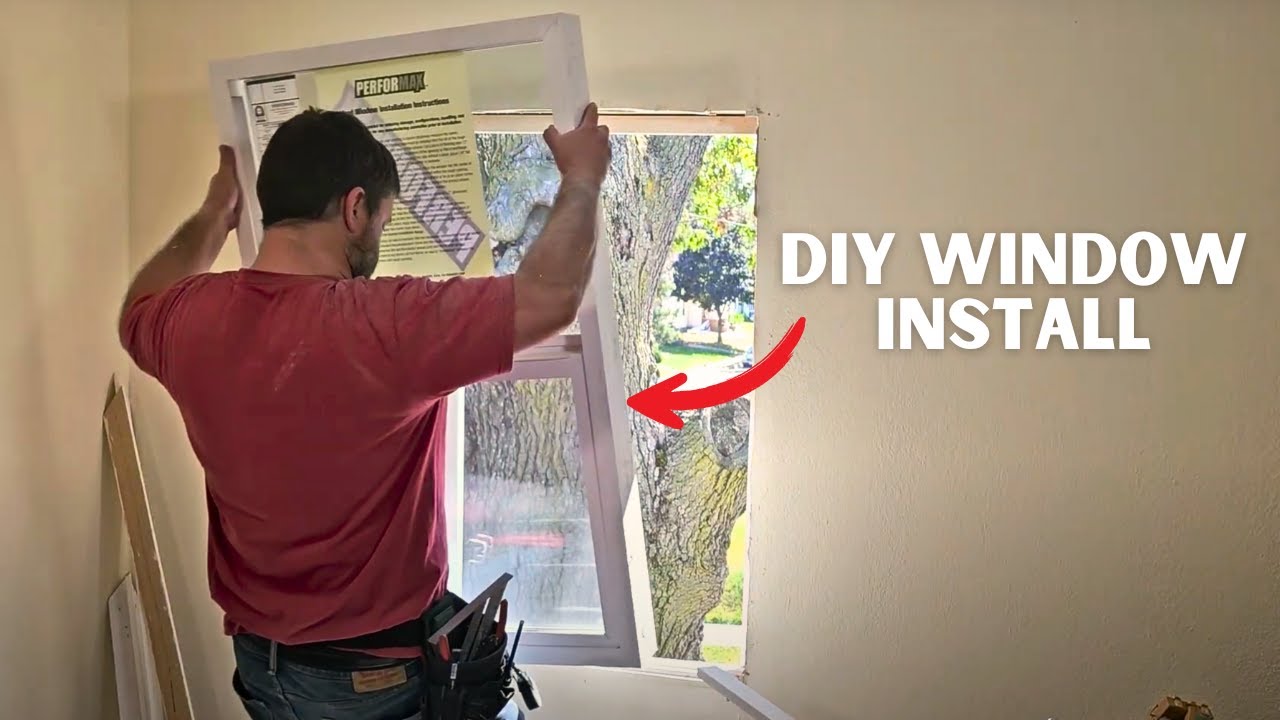
A simple do it yourself window substitute normally has a few points in common. The house is relatively current, the harsh openings are close to square, and the exterior cladding is forgiving, like lap home siding you can draw and reattach. You have actually determined hardware-store design yet validated carpenter style: width and height in three areas, angled measurements for squareness, and clearances accounted for. The devices are common dimensions, ready with factory-applied outside flanges and a producer's installment guide you agree to check out and follow.
Assembly-line repetition assists. If you're doing eight same-size insert systems on the north side, you'll improve on each one. With good preparation, two individuals, and modest openings, I have actually seen home owners knock senseless two to three inserts in a day without hurrying, including indoor trim touch-ups. Full-frame replacements are extra like one daily if nothing goes sideways.

Where DIY shines remains in focus to detail when you have the persistence for it. A mindful homeowner may invest an additional hour fussing with shims to hit an even reveal, or run back to the shop for a much better sealer after checking out the product specification sheet. You own the end result, and often that produces a much better result than a rushed crew on a flat-rate contract.
Where do it yourself stumbles
Most do it yourself problem begins with assumptions. Presuming the opening is audio due to the fact that the painted sill looks penalty. Assuming housewrap exists behind the house siding when the last remodeler quit it short of the home window. Presuming a DIY package will consist of the appropriate fasteners, shims, and flashing tape. It usually will not.
Old stock home windows usually conceal rot in the lower edges. You won't know till you pull the structure and discover saturated studs. Currently you're into sill repair work, potentially sistering a stud or rebuilding an edge. You need pressure-treated lumber touching stonework or a correct capillary break. If the wall surface is stucco or stone veneer, exterior assimilation gets technological. Getting rid of a nail-fin home window in brick without damaging the bordering masonry can turn a weekend job right into a multi-week saga.
Even with a clean opening, tiny lapses matter. Neglect to slope the sill frying pan, and water can merge. Cut corners on backer pole and sealant, and you'll have a large grain that splits as it treatments. Set up a home window out of level by a quarter inch, and the sash may wander open by itself. I have actually seen home windows foam-locked so limited the equilibriums failed in a season due to the fact that the structure distorted.
What the pros bring that you can not buy at the store
Professional installers supply muscular tissue memory, tooling, and obligation. Muscular tissue memory appears in rate and analytical. A knowledgeable crew can diagnose a bowed opening by eye, and they'll have a mental collection of solutions that do not appear in a sales brochure. They'll bring frying pan flashings, sill wedges, brake-bent light weight aluminum cladding, and fasteners for every substrate, from old-growth fir to put concrete.
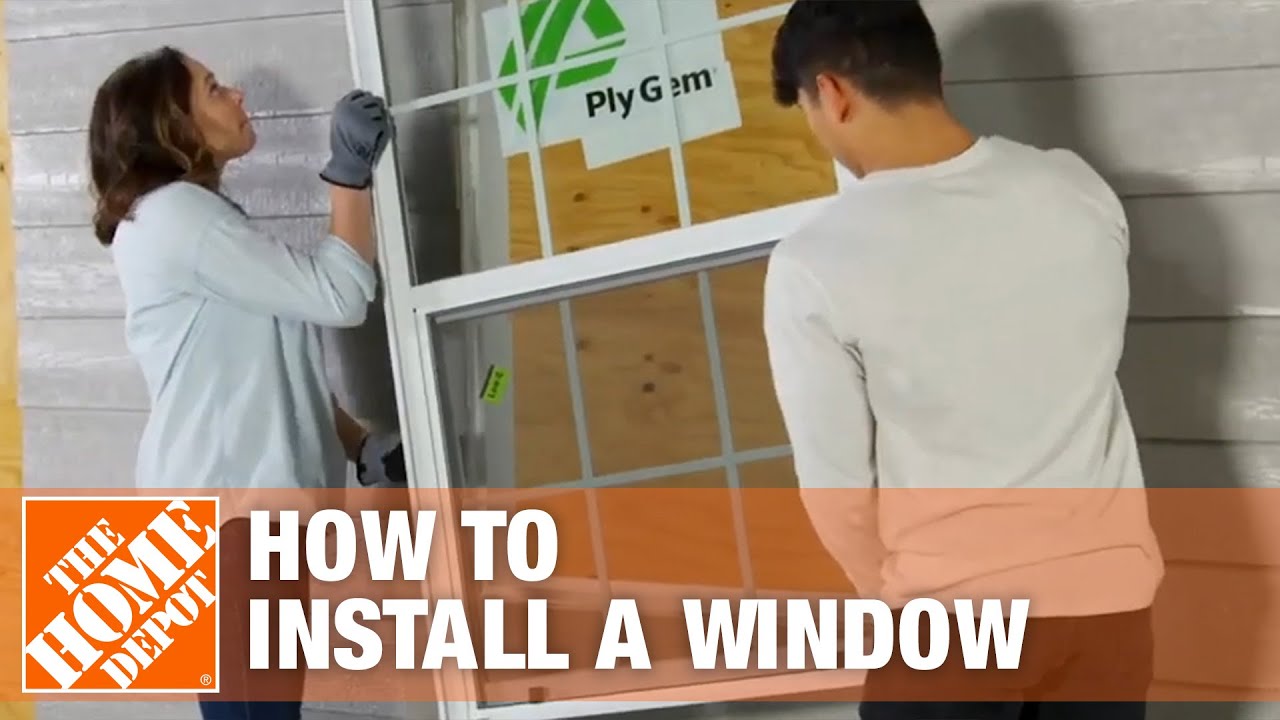
Tooling isn't just about miter saws and levels. It's brake equipments for bending exterior cladding to match trim accounts, oscillating tools to damage stubborn housing, and vacuum lifters for big building devices. With big triples or image home windows, the distinction between three people lifting at unpleasant angles and a team with suction cups is the difference in between a tidy mount and a split unit.
Liability and guarantee issue. Several suppliers connect lasting service warranties to proper setup by licensed contractors. A reputable clothing lugs insurance coverage, backs workmanship for numerous years, and returns to deal with a weeping corner without saying. If they mis-flash an opening and you get water damage, you have someone to call. With do it yourself, you possess that risk.
Cost, in sincere numbers
Window prices differ widely by region and spec, however a few ballpark figures assist. A mid-range plastic insert home window could set you back 250 to 600 per unit. A comparable full-frame system can run 400 to 900. Fiberglass or composite jumps to 600 to 1,200, and custom-made sizes or specialty shapes climb up greater. Labor from a professional installer for standard systems frequently ranges from 200 to 500 per home window for inserts and 400 to 900 for full-frame replacements, with even more for intricate exteriors, masonry, or cut-in openings. Elimination and disposal charges are often separate.
DIY saves the labor line, however expect to spend on materials not consisted of with the window: top quality flashing tape, butyl or acrylic, 25 to 60 per opening; preformed sill pans or steel frying pans, 10 to 40; low-expansion foam, 8 to 15 per can; shims, backer pole, and sealers, another 20 to 40. If you require to rent staging or acquire a brake for cladding, expenses rise promptly. The surprise expense is time. A mindful homeowner could dedicate several weekend breaks to a whole-house job a crew might end up in 2 days.
Energy financial savings can counter costs with time, however that pivots extra on correct air securing and installment than on the price tag of the window. A badly sealed high-performance unit leakages bucks as certainly as a breezy antique.
Safety and access aren't side notes
Windows on top floors make complex everything. Safe access from the outside often requires ladders with stand-offs, slabs, or scaffolding. Carrying a 70-pound window up a ladder is a dish for a slipped grasp and a busted device. Pros phase from the interior when feasible, however they prepare for dealing with and tie-offs where needed.
Lead paint alters the policies. Homes constructed prior to 1978 may have lead-based paint on sashes and trim. Disturbing it triggers EPA Restoration, Fixing and Painting (RRP) needs. Qualified specialists adhere to containment, dirt control, and cleaning protocols. Property owners aren't legitimately bound by the very same guidelines for their own home in many jurisdictions, however ignoring risk-free practices risks your wellness and that of your family. Lead dust is invisible and unforgiving.
Glass is an additional security issue. Tempered glass is needed by code in certain locations, like near doors, in bathrooms, and near floor level. Changing a window with the incorrect glazing can produce code infractions and safety and security risks. Pros often tend to capture these nuances; DIYers in some cases discover them after the examiner flags the mistake.
The performance layer: beyond the sticker
Every window brings rankings for U-factor, solar warmth gain coefficient (SHGC), visible passage, and occasionally air leakage. These numbers issue, yet you have to match them to your environment and the room's exposure. Northern environments often take advantage of lower U-factors and moderately higher SHGC on south-facing elevations to catch winter sun. Hot environments aim for lower SHGC to reduce heat gain. Three-way glazing reduces condensation risk and boosts convenience near big glass locations, but the cost and weight increase.
Installation high quality impacts performance as long as the glass plan. A well-installed mid-grade window will certainly outshine a costs device that's out of square or poorly sealed. This is where specialist setup frequently provides value beyond labor expense: consistent air securing, right shim placement to maintain framework geometry, and trustworthy integration with weather barriers.
How to determine, tip by step
A clear-eyed decision begins with your starting factor, not an abstract choice for saving money or hiring out. Respond to these questions honestly.
- What is the problem of your openings? Pull indoor trim at one agent home window to check for rot, out-of-square framing, and previous water breach. Probe wood with an awl, procedure diagonals, and seek discoloration or soft spots. What outside cladding do you have? Lap home siding and removable cases are manageable. Block, stone, stucco, and EIFS elevate the difficulty degree due to the fact that flashing combination gets technological and blunders are costly. Are you doing insert or full-frame? If the existing frames are solid and square, inserts decrease complexity. If you see rot, leak, or efficiency issues from the old frames, full-frame replacement is more sincere and generally a professional job. How several windows and where? One or two first-floor inserts might be a weekend do it yourself. A whole home with second-story devices and picture home windows leans greatly toward hiring pros. Do you have the perseverance and aid? You require at least two collections of hands for the majority of installs. If you're meticulous, comfortable with a level and a saw, and willing to read manufacturer guidelines and neighborhood code, do it yourself can work on simple cases.
If you're on the fencing, try a pilot home window in a low-risk area. Pick the least vital opening and treat it as a knowing project. You'll find out more from one genuine set up than from ten videos, and the outcome will certainly tell you whether to continue or call a pro.
What a professional estimate should include
Not all service providers run similarly. An excellent price quote is clear. It names the brand and collection of the window, reveals sizes, glass choices, and shade or surface information. It mentions whether the job is insert or full-frame, checklists just how the opening will certainly be blinked, and specifies sealers and tapes by type, not unclear "caulk and waterproofing." It clarifies interior and exterior trim work, painting or staining, and exactly how damaged areas will be handled if discovered. It consists of disposal of old systems, permits if called for, and warranty terms for both item and labor.
Ask just how the crew manages peculiarities: out-of-square openings, bowed studs, and sills out of level. A pro needs to have the ability to explain how they will shim without distorting the structure, when they'll make use of preformed pans, and just how they integrate with housewrap or rigid foam on the sheathing. Their solutions do not require to be poetic; they need to be specific.
A sensible DIY process in wide strokes
If you make a decision to DIY an uncomplicated insert replacement, your series must be intentional. Remove indoor stops very carefully to maintain them. Support the sash as you detach balances or ropes. Vacuum cleaner dirt and particles so your foam and tape bond well. Dry-fit the new unit to validate dimension, after that set a constant bead of sealer on the sill of the old framework before placing the new home window. Usage opposing shims at joint ACCOLADE WINDOWS window replacement near me points so you do not rack the framework. Inspect level, plumb, and reveal with every screw. Tighten fasteners just tight sufficient. Shield the gap with low-expansion foam, moderately. After treatment, cut the foam and set up backer rod and a properly tooled interior sealer joint behind the housing. Exterior sealing relies on your existing tornado and trim; if the original setup depends on a storm window, you'll require to adjust the plan.
For full-frame DIY, the procedure adds demolition, outside flashing, and extra opportunities to make a mess. You'll cut paint lines, eliminate exterior trim, tear the old frame out, and usually discover you need to tidy and flatten the rough opening. A sloped sill pan issues. If you do not know just how to develop a frying pan with self-adhered flashing or a preformed item that drains to daylight, time out and learn. This is the membrane layer that saves you years down the road.
Edge instances that change the answer
Historic districts and HOA regulations can constrict your choices. You might require wood home windows with certain muntin patterns, or divided-lite information that can not be forged with snap-in grids. Customized wood home windows are heavy and pricey. Competent pros gain their cash on these jobs due to the fact that they protect information that matter to the personality of the home, and they work with approvals.
Passive home or near-zero energy retrofits increase the bar for airtightness and thermal connection. You're now taking note of insulation around the window perimeter, thermal breaks at the sill, and the change from the home window framework to the air obstacle of the wall surface. That calls for tapes and gaskets past the big-box aisle and for care that goes beyond a common set up. DIY is feasible if you're deeply engaged and willing to study, yet lots of house owners bring in installers learnt high-performance detailing.
Coastal and high-wind zones bring impact-rated windows, larger frameworks, and specific securing timetables. Your fasteners must pass through the structure to a certain deepness and spacing. Assessors might call for documentation. Here, expert installation minimizes the threat of failing when a tornado tests the system for real.
Mistakes that set you back the most, and exactly how to stay clear of them
Three patterns turn up in callbacks and tear-outs. The first is reverse-lapped flashing. If your head blinking tucks behind your housewrap, you've constructed a pocket to record water. Constantly shingle your layers so water sheds out. The second is foam-induced structure distortion. Low-expansion foam still expands. Include it in light passes and check procedure as it remedies. The third is missing the pan at the sill. Water gets in at some point, despite exactly how careful the caulk. Provide it a path out, and rot doesn't start.
One extra error should have a mention: trusting caulk to make up for poor fit. Sealer is a gasket, not an architectural repair. If your discloses are unequal or the unit is racked, back up and adjust shims. It takes longer, but it lasts.
Where the ROI sits
Return on financial investment for window substitute originates from convenience, reduced drafts, reduced energy costs, and aesthetic appeals. National studies frequently show resale ROI around 60 to 70 percent for mid-range replacements, greater for curb-facing improvements. But the genuine return you really feel is the day you sit near a huge home window mid-winter and do not feel a chilly draft rolling down your neck. A peaceful area on a busy street, condensation that no more programs up every morning, a sash that opens with 2 fingers on a springtime day-- those deliver everyday value.
DIY might enhance ROI by saving labor, but not if mistakes cause water damage or decreased performance. Specialist installment may set you back even more, but if it generates a tighter structure envelope and less callbacks, you recoup component of the difference in energy financial savings and assurance. It's not a straightforward spread sheet decision. It has to do with risk tolerance.
A functional method to choose
Here's a compact means to determine without overthinking it. If you have recent building with sound frameworks, strategy to do inserts on 1 or 2 windows, and you're comfortable with tools, DIY is a great candidate. If you see signs of water intrusion, rot, or out-of-square openings, or if the exterior is brick, stucco, or stone, lean pro. If you need an authorization, impact-rated devices, or warranty-backed deal with a whole house, call a knowledgeable installer, ideally a staff that can show qualification from the home window manufacturer.
You can additionally divide the distinction. Several property owners employ pros for the full-frame work on complicated altitudes and handle indoor trim or painting themselves. Others have a contractor collection and blink the home windows, after that take over foam, case, and touch-ups. A hybrid technique keeps top quality at the crucial climate barrier while letting you conserve where mistakes are less costly.
Final thoughts from the work site
I have actually drawn windows that looked penalty from the living room and discovered black, sponge-like sills below. I've likewise watched home owners provide crisp, square inserts that operate perfectly due to the fact that they took their time and remained within their lane. There isn't one best answer for every residence or every person.
If you value control, have the perseverance for information, and your extent is small, do it yourself home window installation can be pleasing and efficient. If your home tosses you curveballs, or you desire the assurance of service warranty, timetable, and accountability, expert window replacement gains its rate. In either case, respect the craft. A window is greater than glass. It's a hole in your wall surface that has to take care of weather, activity, and time. Get the layers right, and you just need to consider them when you appreciate the view.